Meeting Chairs in Pakistan — Boardroom, Conference & Training Seating
Outfit your meeting rooms with seating that looks sharp, feels comfortable, and works reliably in Pakistan’s climate and daily office routines. At Yamas Furniture (LANE 7, Bukhari Commercial Area, Phase 6 DHA, Karachi), our specialists help teams choose chairs that match session length, room size, and budget. Call 0343-1473634 or 0333-3006301 for quick guidance, bulk quotations, or a showroom visit.
Shop by Meeting Chair Type
Internal links will be inserted once the sitemap is available.
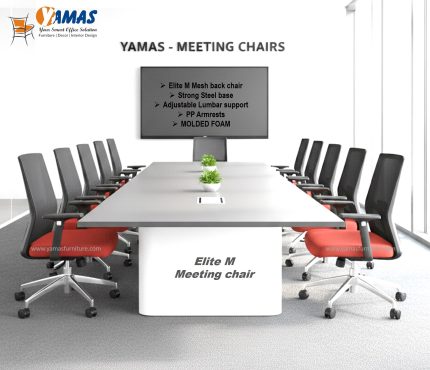
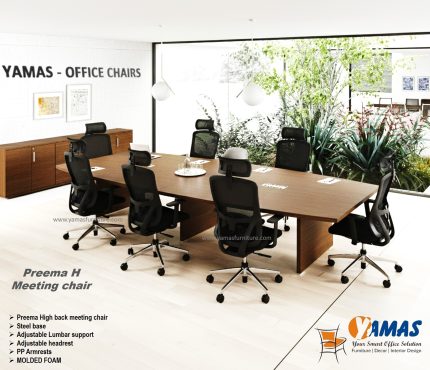
Conference Room Chairs
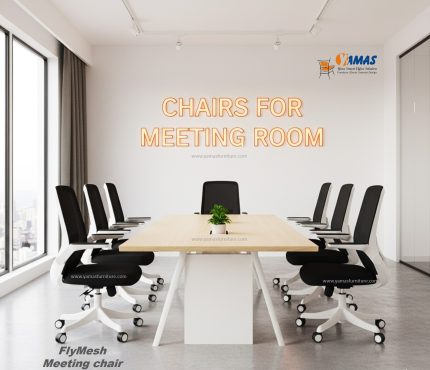
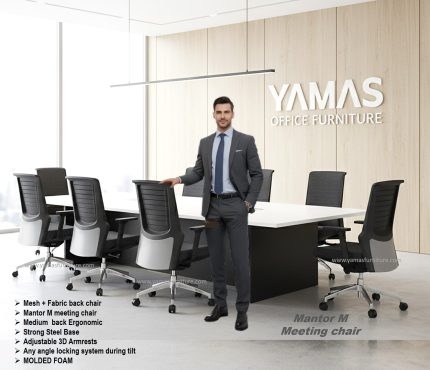
Built for 1–3 hour discussions with stable bases and upholstery that’s easy to maintain. Choose models that slide close to the table edge and minimize floor scuffing on tile or wood.
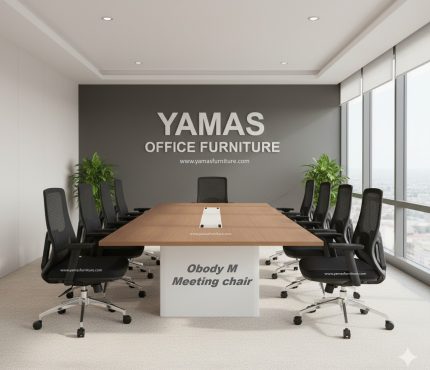
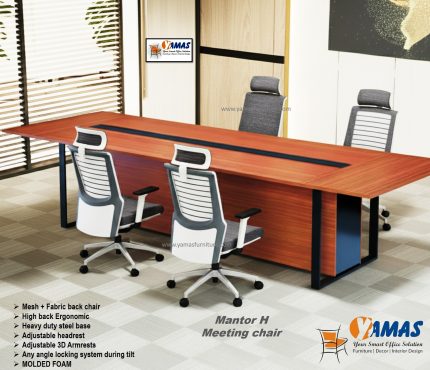
Boardroom Chairs
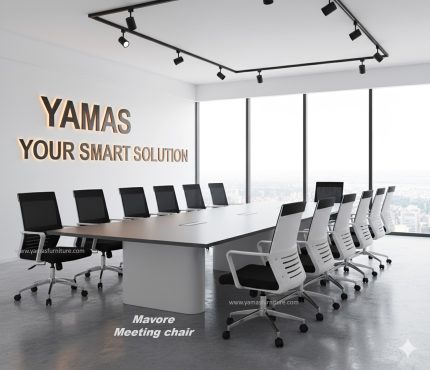
Premium finishes and quiet casters for leadership spaces. Look for supportive backrests, refined stitching, and a silhouette that complements executive tables without overwhelming the room.
Training Room Chairs
Lightweight frames, optional tablet arms, and quick set-up for seminars. Select nesting or stackable styles so rooms can reset from classroom to U-shape in minutes.
Stackable Meeting Chairs
Ideal for multi-purpose halls—stack in towers and move with a trolley. Verify stack height, weight, and foot glides to protect floors during frequent changeovers.
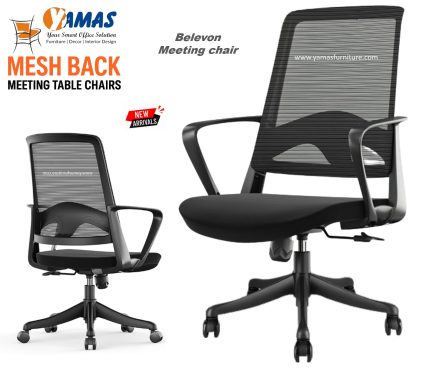
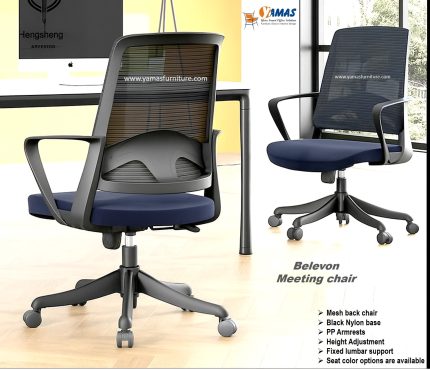
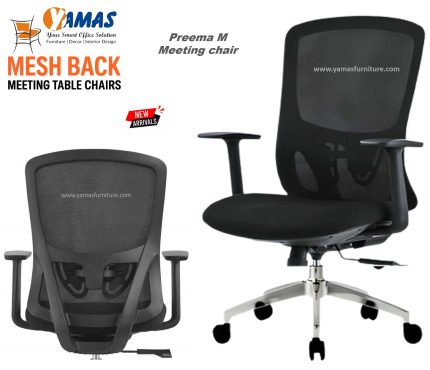
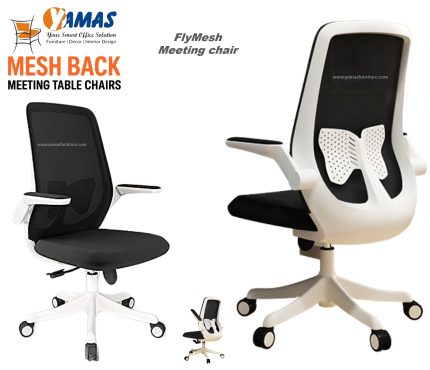
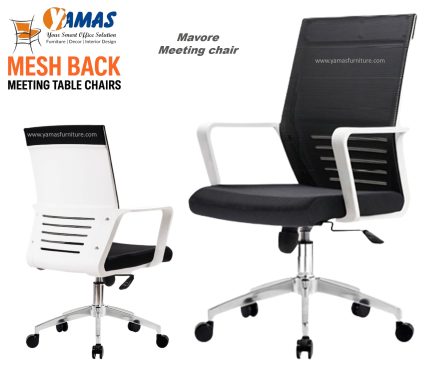
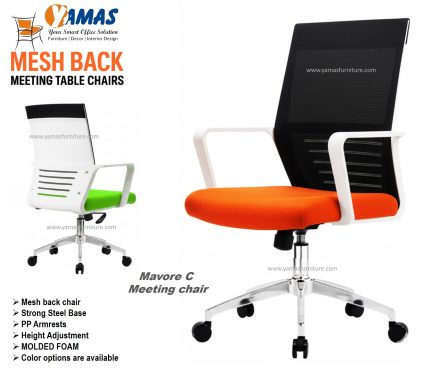
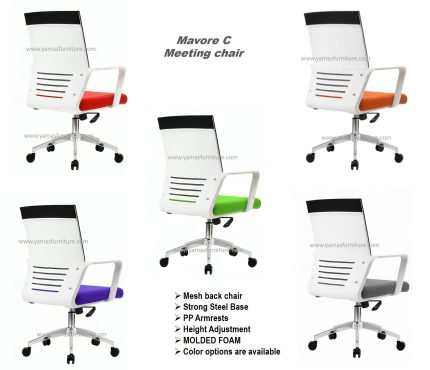
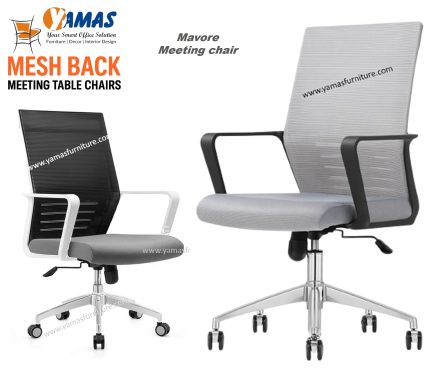
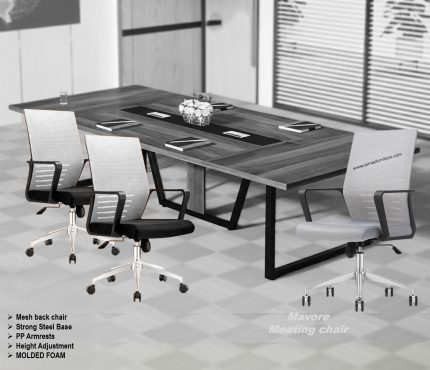
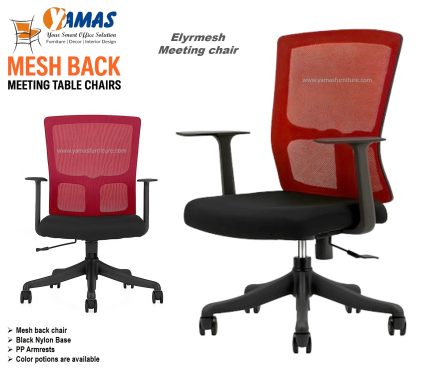
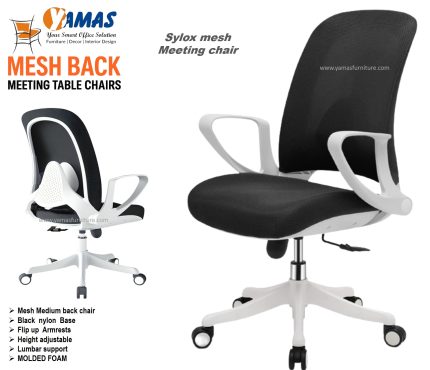
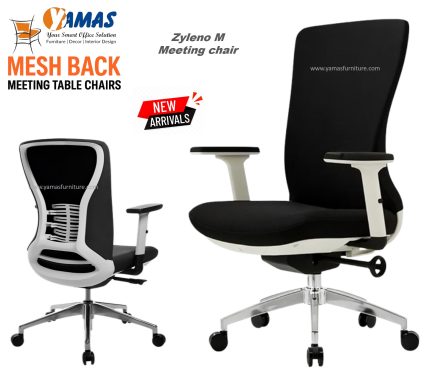
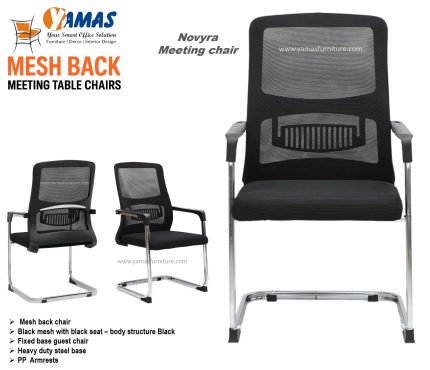
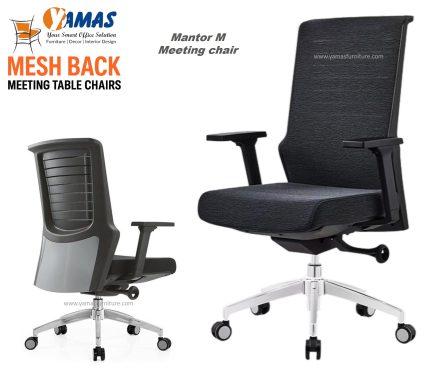
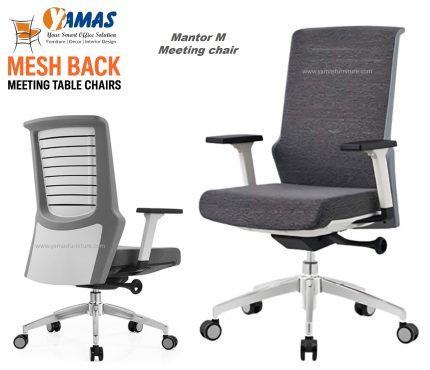
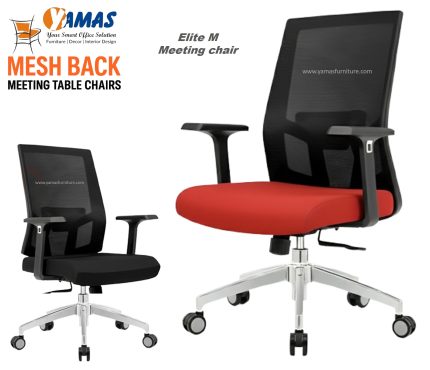
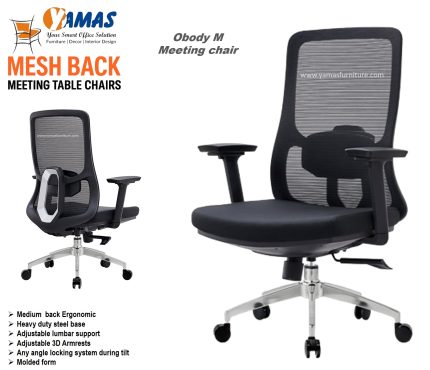
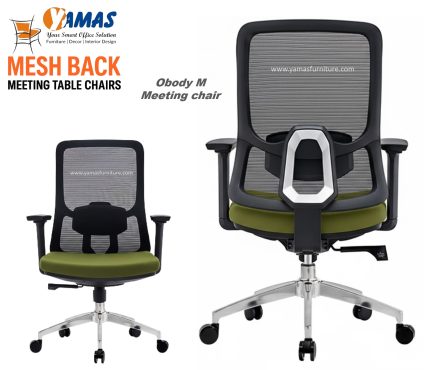
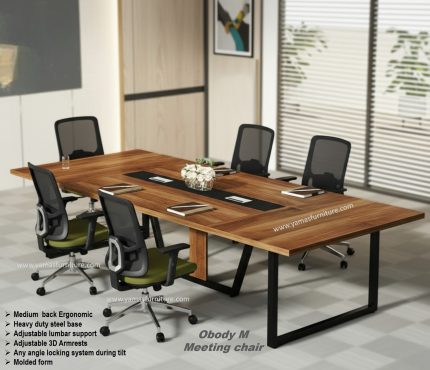
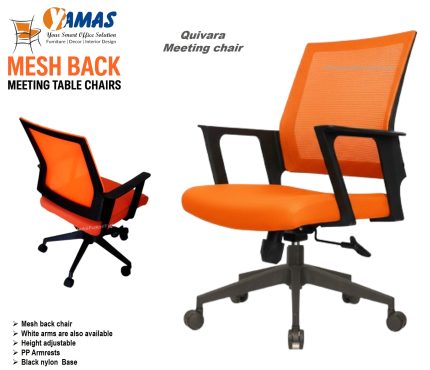
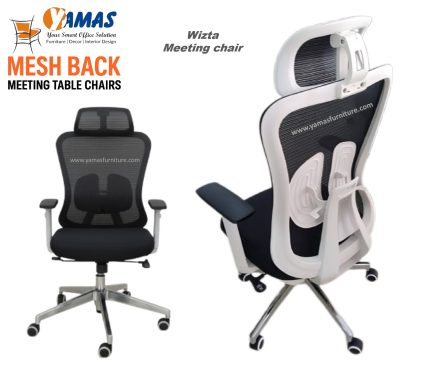
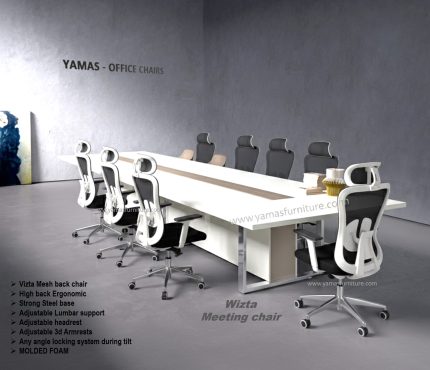
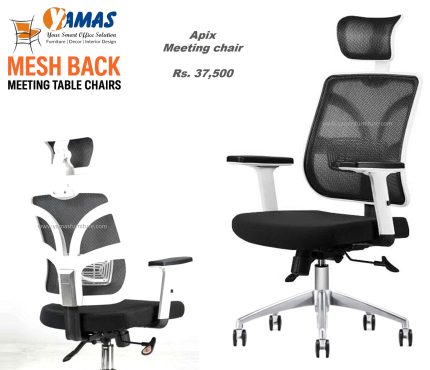
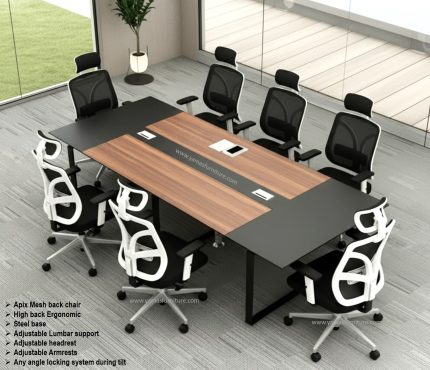
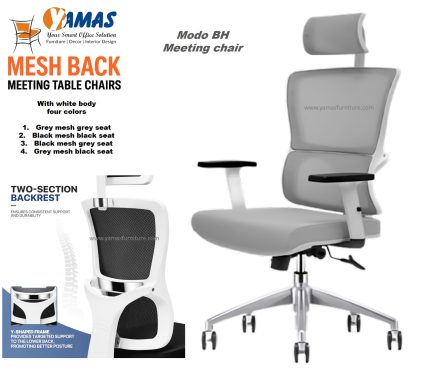
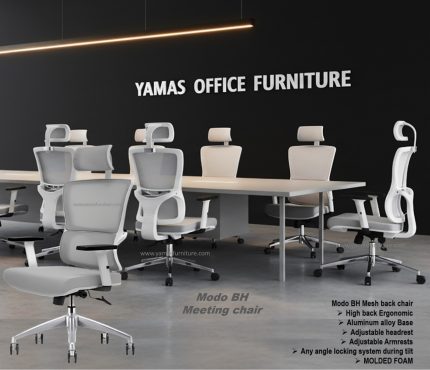
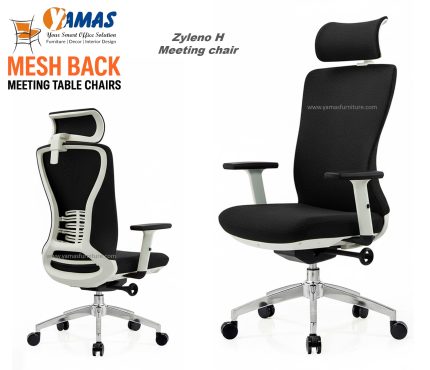
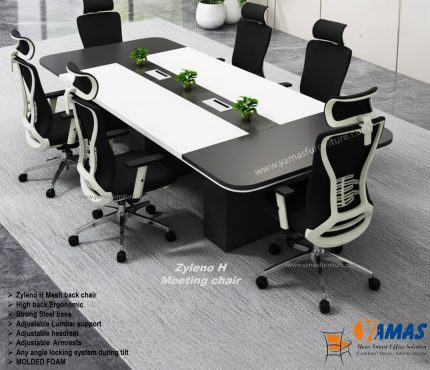
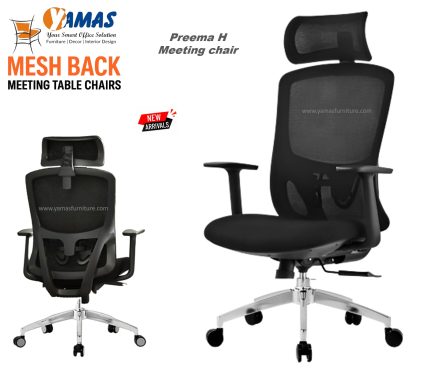
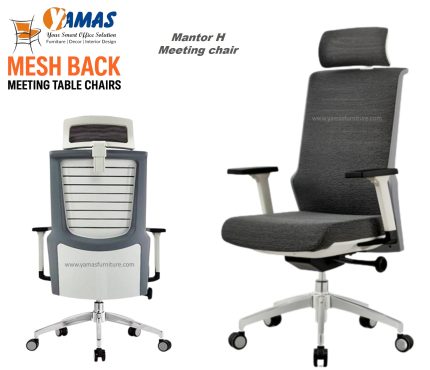
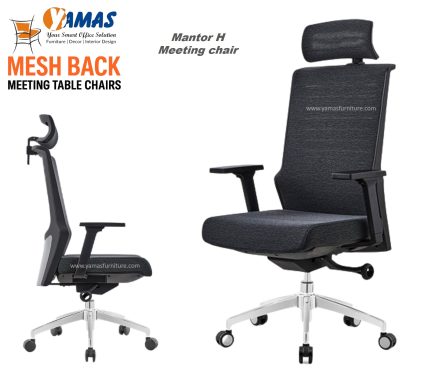
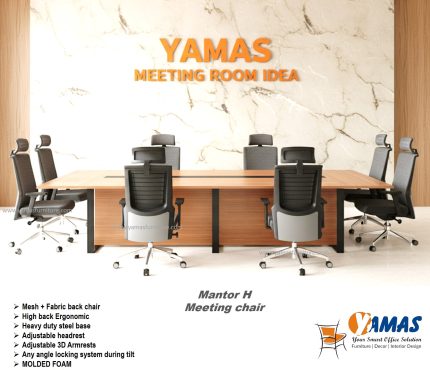
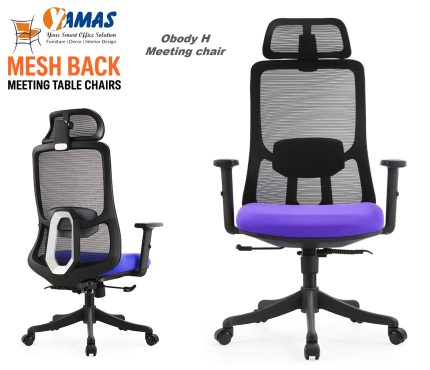
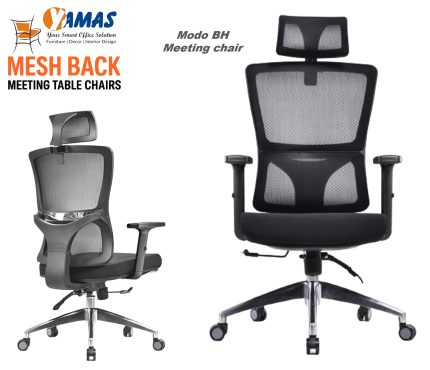
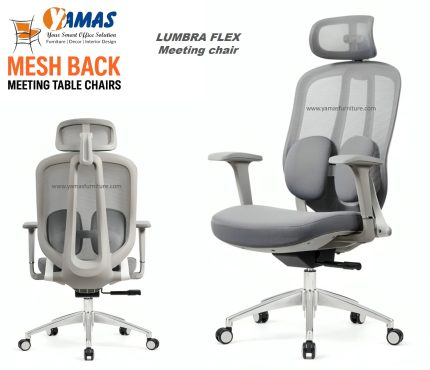
Mesh Meeting Chairs
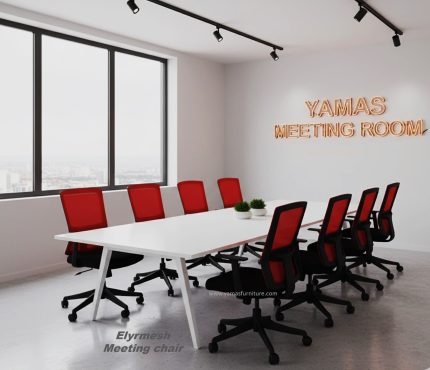
Breathable backs help in warmer rooms and during load-shedding hours. Pair mesh backs with cushioned seats for comfort without heat build-up.
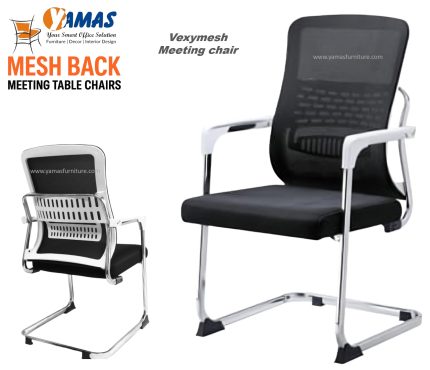
Fixed-Base / Sled Chairs
Great when you don’t want rolling chairs drifting away. Sled and cantilever frames distribute weight evenly and protect delicate flooring with proper glides.
Visitor / Reception Chairs
Front-of-house seating that reflects your brand. Choose easy-clean fabrics or vinyl, and match metal or wood accents to your reception desk and wall palette.
Staff Meeting Chairs
Durable, budget-friendly options for daily team huddles. Prioritize stable frames, supportive seats, and quick-clean materials to handle high turnover.
How to Choose Meeting Chairs (Pakistan Workplaces)
Duration & Use Case
Start with how long people actually sit. For quick stand-ups or 30–45 minute huddles, prioritize compact seats with supportive shaping and arms that slide under the table so everyone can sit closer and save space. For 2–3 hour strategy sessions, look for a slightly deeper seat, a supportive back contour, and a gentle “passive tilt” that allows micro-movements without distracting squeaks. If your meetings often include note-taking or laptops, ensure arm height doesn’t clash with the table edge and that the front seat edge is soft to avoid pressure on thighs.
Match the chair to the room’s purpose. Training rooms in Karachi or Lahore that reset multiple times a day benefit from nesting or stackable frames that roll or lift easily. Boardrooms in Islamabad with VIP traffic deserve quieter casters, refined stitching, and a consistent finish across all chairs. Where rooms double as event spaces, a mixed set (stackable for overflow plus a core of more cushioned chairs) can keep budgets in check while covering peak days.
Climate & Material Fit
Pakistan’s warm months and intermittent cooling mean breathability matters. Mesh backs help reduce heat build-up during load-shedding or when AC is shared across floors. Pair mesh with a cushioned seat for comfort past the first hour, and consider easy-clean fabrics or vinyl in high-traffic areas. In coastal Karachi, humidity and salty air can affect metal finishes—choose powder-coated frames and wipe down regularly to prevent corrosion.
Material maintenance is just as important as first-day comfort. In dusty environments or spaces near workshops, tightly woven fabrics and simple seam patterns are easier to vacuum and spot-clean. Where managers prefer upholstered looks, choose mid-tone colors that hide minor marks better than pure black or light cream. If chai and snacks are regular guests in your meetings, prioritize stain-resist textiles and specify floor glides that won’t trap spills.
Room Size & Mobility
Small meeting rooms in DHA or Gulberg need chairs that park neatly under the table and allow doors to swing freely. Measure aisle widths, door clearances, and the distance from table edge to wall before shortlisting models. Chairs with open arms or armless frames often seat more people around a given table length, while sled bases protect tile and laminate from caster marks.
For multi-use rooms, favor stackable or nesting designs with trolleys so a single staff member can reset layouts quickly. Fixed-base chairs work well where you don’t want rolling seats shifting during presentations. If your building has narrow elevators, check chair height and width against lift dimensions to avoid delivery headaches on installation day.
Budget Planning for Teams
Set a per-chair budget band first, then choose the “core” model and add options only where they create real value (arms, tablet desks, or upgraded upholstery for front-row seats). Many Pakistan offices buy in phases: start with the boardroom or key conference spaces, then roll out to training rooms and visitor areas. This spreads cost and keeps styles consistent across floors.
Ask for bulk quotations and lead-time scenarios; price can vary by frame type, upholstery grade, and quantity. Also consider total cost of ownership: durable floor glides, repairable components, and easy-clean materials reduce ongoing spend. Our team can help you compare two or three shortlists side by side to stay on budget without compromising comfort.
Space Planning Cheat-Sheet (Quick Maths for Your Room)
Seating Density & Clearances
Start by mapping the room envelope, then subtract fixed elements like doors, columns, and credenzas. A practical chair footprint for planning is the space it occupies when someone is seated and slightly scooted back—assume a depth allowance that enables people to rise without bumping walls or the next row. Aim for clear aisles that allow two people to pass without awkward sideways steps, and keep the path to the door free of chair legs or bag storage. If your meeting room also hosts client walk-throughs, plan a wider main aisle so guests can enter without disturbing seated participants.
For small Karachi offices with tile or laminate floors, leave enough clearance behind each chair so back legs or sled frames don’t mark skirting or walls during push-backs. Doors should open fully without clipping chair backs; where door swings are tight, shift the table slightly off center and use armless chairs on the door side to maintain access. If wheelchair access is required, allow generous turning radii at the entry and near the table ends. In spaces that double as training areas, maintain consistent row spacing front-to-back so you can add or remove rows without re-measuring every time.
Boardroom Table Sizing
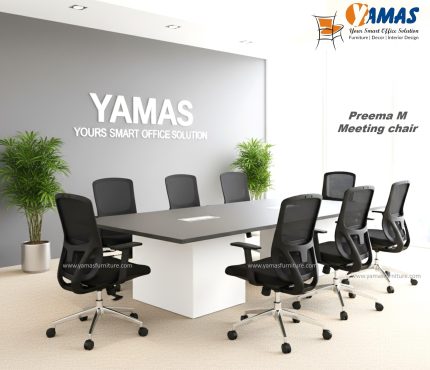
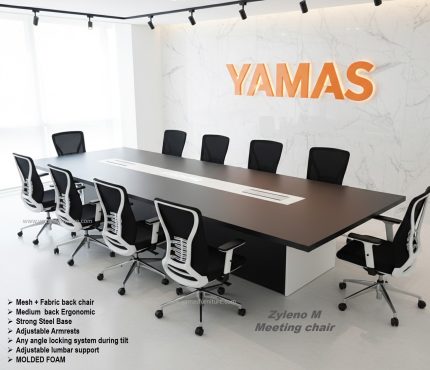
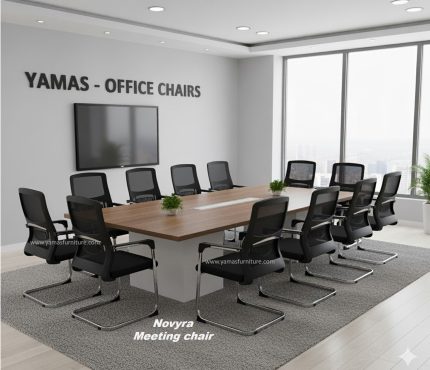
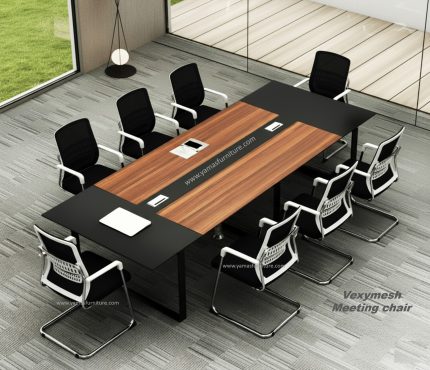
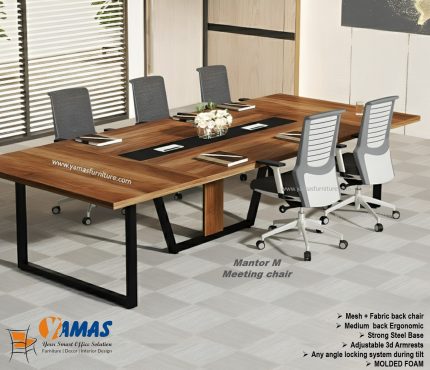
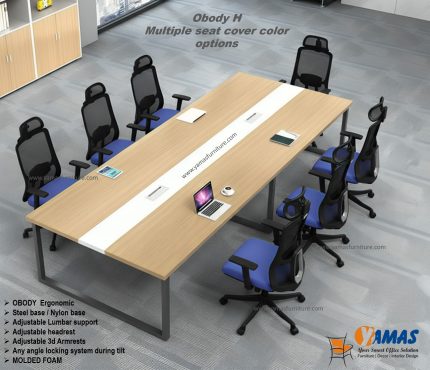
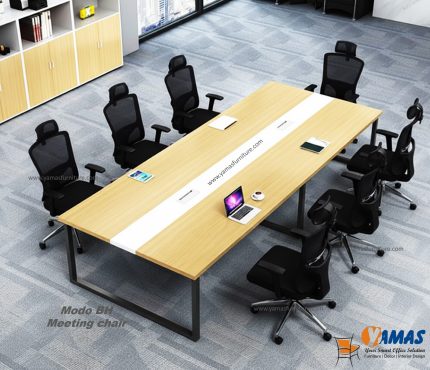
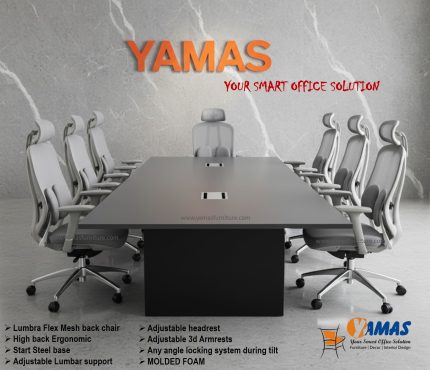
Seat count drives table length more than any other variable. As a simple guide, shorter tables suit six to eight seats, mid-length tables fit eight to ten, and long tables support twelve or more when the room width and circulation allow. Leave comfortable shoulder room between attendees so laptops don’t clash and cups aren’t perched at the edge; a little extra elbow space reduces fidgeting and keeps the meeting focused. If you prefer a head-of-table presence for the CEO or chair, factor additional space at both ends to avoid the “squeezed” look in photos or client meetings.
Don’t forget technology. Central cable boxes and table grommets are easiest to reach when chairs can roll forward without hitting a steep table edge. If you’re using fixed-base or sled chairs to protect floors, ensure the table leg design doesn’t block feet as people slide in. For hybrid meetings, place the screen so the far-end camera captures all faces; that may nudge the table slightly toward the display wall. Run a quick dry-fit with painter’s tape on the floor before you buy—this low-tech step saves costly reconfigurations later.
Storage & Stacking
Multi-purpose rooms in Lahore or Islamabad benefit from stackable or nesting chairs that move on a trolley and park neatly in a store room when not in use. Plan a storage bay where stacks can sit without blocking electrical panels, windows, or the janitor’s route; even a shallow alcove can work if you protect walls with a simple bumper strip. Keep stack heights sensible for safety and to fit through doorways and elevators, especially in older buildings with compact lifts. If your office hosts events, label stacks by quantity so staff can deploy the right number quickly without counting each time.
Think through the logistics, not just the furniture. Check the route from delivery truck to meeting room for thresholds, narrow turns, or steps; a trolley with larger wheels saves time and reduces scuffs on delicate floors. Place felt or nylon glides on sled and four-leg chairs, and keep a small maintenance kit—spare glides, screws, and touch-up markers—so chairs look new after frequent setups. Where humidity is higher, schedule quick wipe-downs for metal frames to keep finishes fresh. A little planning for storage and care extends chair life and preserves your investment.
Features that Matter in Meeting Chairs
Ergonomics for Meetings
Meeting chairs balance comfort with tidy proportions so rooms don’t feel crowded. Look for a supportive back curve that encourages upright posture without locking you in place, a gently sloped seat edge to reduce pressure on thighs, and arms that fit under most table aprons. A light, controlled recline (often called passive tilt) lets attendees shift weight during 2–3 hour sessions without noisy mechanisms that distract speakers.
Because meetings aren’t all-day tasking, you don’t need complex synchro-tilts or height-adjust stacks on every chair. Reserve those for task chairs; for meeting rooms, simple reliability wins—consistent seat height across the set, stable frames, and glides that don’t scratch floors. If you host clients frequently, prioritize forms that align with your brand—subtle stitching, clean lines, and cohesive finishes across spaces.
Frames, Bases & Casters
Sled and cantilever frames distribute weight smoothly and protect tile or wood when specified with felt or nylon glides. Four-leg frames feel traditional and sturdy, while low-profile casters suit rooms that need occasional reconfiguration. In coastal or humid environments, prefer powder-coated steel or well-treated alloys; routine wipe-downs keep frames looking new and prevent finish wear.
If your table has a thick edge or a central base, test how the chair slides in so knees aren’t blocked. For mixed-use spaces, consider nesting frames that “flip” and park tightly—paired with a trolley, one person can reset the room in minutes. Where floors are delicate, avoid hard casters; soft or rubberized options reduce tracks and noise.
Fabrics & Finishes
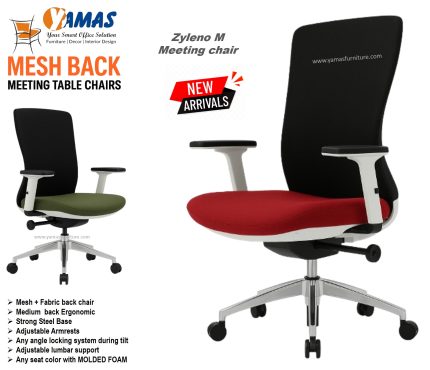
Mesh backs breathe well in Pakistan’s warmer months, especially during load-shedding. Upholstered seats add comfort and a polished look; choose mid-tone, easy-clean textiles that hide scuffs between cleanings. In reception or boardrooms, vinyl or performance fabrics make quick work of chai spills, while elegant stitching and matched arm finishes elevate the space for visitors.
When selecting color, echo your interior palette—doors, flooring, and tables—so chairs integrate rather than compete. If you plan phased purchases, shortlist neutral finishes that will still be available next quarter, keeping sets consistent across rooms and floors.
Pricing & Value in Pakistan
What is the meeting chair price in Pakistan? It varies by frame type, upholstery grade, options (arms, tablet desks), and quantity. We typically guide buyers into three value bands—entry, mid, and premium—then tailor a quote to your shortlist and order size. For bulk orders, per-chair pricing can shift meaningfully, so ask for a tiered quotation. If you’re comparing conference chairs in Pakistan, share your preferred finishes and timeline so we can confirm model availability and lead times before you finalize.
To optimize budget, standardize the core specification across rooms and add upgrades only where they’ll be noticed—front-of-house or leadership spaces. Durable glides, repairable parts, and easy-clean fabrics lower total cost of ownership over the chair’s life.
Delivery, Warranty & After‑Sales (Karachi‑led, Pakistan Coverage)
Stock and made-to-order availability can differ by model; we’ll confirm current options at quotation. Typical services include delivery, basic assembly, and placement; where elevators or access routes are tight, we’ll plan a route that protects walls and floors. Warranty terms follow the specific model—ask our team to outline coverage during selection so you know what’s included.
Care is simple: wipe frames, vacuum seats, and replace worn glides to protect flooring. For multi-purpose rooms, keep a trolley and a small maintenance kit on hand; we can recommend a starter set when you order.
Frequently Asked Questions
What’s the difference between conference, boardroom, and training chairs?
Conference chairs focus on stability and tidy proportions for 1–3 hour sessions. Boardroom chairs add refined finishes and quieter casters for executive spaces. Training chairs emphasize quick setup, nesting or stacking, and optional tablet arms for note-taking.
Do mesh meeting chairs work better in hot rooms?
Yes—mesh backs reduce heat build-up and stay comfortable when AC is limited. Pair with cushioned seats for longer meetings, and choose easy-clean textiles in high-traffic areas.
How many chairs fit around my table?
As a simple rule, shorter tables typically suit 6–8 seats, mid-length tables 8–10, and longer tables 12 or more—room width and aisles permitting. We’ll validate counts against your floor plan before you buy.
Do you offer bulk pricing or corporate accounts?
Yes—bulk orders and phased rollouts are common. Share your quantities, finishes, and timeline to receive tiered pricing and lead-time options.
What about meeting chair price in Pakistan for custom finishes?
Custom fabrics or finishes may affect price and lead time. Tell us your preferred palette and we’ll confirm availability and a quote.